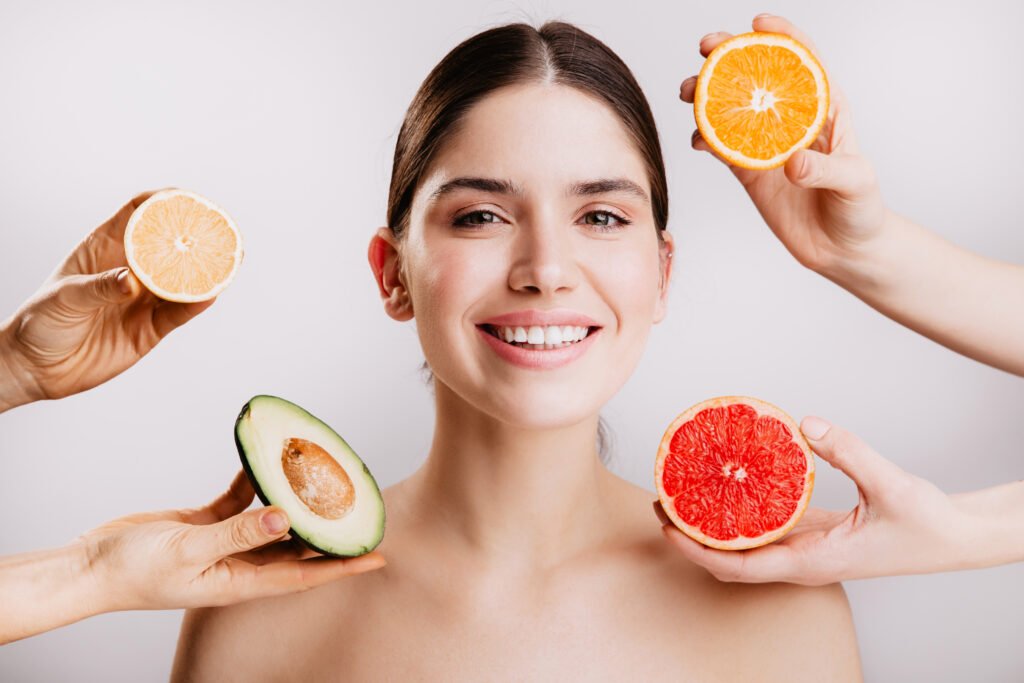
In the quest for radiant, youthful skin, skincare products often get all the attention. While serums and moisturizers play a role, the true foundation of healthy skin begins within — with the food you eat. Your diet can either enhance your skin’s natural glow or contribute to issues like acne, dryness, premature aging, and dullness.
In this blog, we’ll explore how nutrition impacts skin health and what foods you should include (and avoid) to achieve vibrant, glowing skin.
Why Diet Matters for Skin Health
Your skin is the largest organ of your body, and like every organ, it needs the right nutrients to function properly. Skin cells regenerate regularly, and this renewal process depends on vitamins, minerals, antioxidants, and healthy fats.
Here’s how a good diet helps:
- Reduces inflammation that causes acne and skin irritation
- Promotes collagen production, which keeps skin firm and youthful
- Fights oxidative stress, which accelerates aging
- Improves hydration, preventing dryness and flakiness
- Supports skin barrier function, protecting from pollutants and UV damage
Let’s dive into the best foods and nutrients you should include in your diet for healthy skin.
1. Healthy Fats: The Skin’s Best Friend
Omega-3 Fatty Acids
Omega-3s are essential fats that keep skin thick, supple, and moisturized. A deficiency can cause dry skin and increase the risk of inflammation.
Top Sources:
- Fatty fish (salmon, mackerel, sardines)
- Chia seeds
- Walnuts
- Flaxseeds
Monounsaturated Fats
These fats help maintain skin elasticity and hydration.
Top Sources:
- Avocados
- Olive oil
- Nuts like almonds and pistachios
2. Antioxidants: Your Skin’s Anti-Aging Warriors
Antioxidants fight free radicals — unstable molecules that damage skin cells and speed up aging.
Vitamin C
Essential for collagen production and brightening the skin.
Top Sources:
- Citrus fruits (oranges, lemons)
- Strawberries
- Bell peppers
- Kiwi
Vitamin E
Protects skin cells from oxidative damage.
Top Sources:
- Sunflower seeds
- Almonds
- Avocados
- Spinach
Selenium
This mineral works alongside antioxidants to protect skin from sun damage and age spots.
Top Sources:
- Brazil nuts
- Eggs
- Brown rice
- Tuna
3. Hydrating Foods: For Soft, Supple Skin
Water alone isn’t enough. Hydrating foods provide water along with nutrients that improve skin’s moisture retention.
Best Hydrating Foods:
- Cucumber
- Watermelon
- Celery
- Oranges
- Lettuce
- Zucchini
These foods have high water content and also provide vitamins that keep skin fresh and radiant.
4. Skin-Friendly Vitamins and Minerals
Zinc
Helps regulate oil production and supports skin healing, especially important for acne-prone skin.
Top Sources:
- Pumpkin seeds
- Lentils
- Chickpeas
- Oysters
Vitamin A (Beta-Carotene)
Promotes cell turnover and helps prevent clogged pores.
Top Sources:
- Sweet potatoes
- Carrots
- Kale
- Butternut squash
Biotin (Vitamin B7)
Plays a key role in maintaining skin barrier health. A deficiency may lead to dry, scaly skin.
Top Sources:
- Eggs (particularly the yolk)
- Nuts
- Seeds
- Bananas
5. Collagen-Boosting Foods
Collagen is the protein that keeps your skin firm and wrinkle-free. While collagen supplements are popular, food sources can also enhance your body’s natural collagen production.
Top Collagen-Boosting Foods:
- Bone broth (rich in collagen directly)
- Berries (rich in vitamin C)
- Leafy greens
- Tomatoes (contain lycopene, which protects collagen)
- Garlic (sulfur helps with collagen production)
6. Probiotics and Gut Health
A healthy gut is closely linked to clear, glowing skin. Imbalances in gut bacteria can lead to inflammation, contributing to acne, eczema, and rosacea.
Best Probiotic-Rich Foods:
- Yogurt with live cultures
- Kefir
- Kimchi
- Sauerkraut
- Miso
- Kombucha
Prebiotics (fiber-rich foods that feed healthy gut bacteria) are also essential:
Good Prebiotic Foods:
- Onions
- Garlic
- Asparagus
- Bananas
- Oats
7. What to Avoid for Better Skin
Not all foods are skin-friendly. Some can trigger inflammation, oil overproduction, or disrupt hormone balance.
Sugar and Refined Carbs
High sugar intake causes insulin spikes, which may increase sebum (oil) production and lead to acne.
Avoid or Limit:
- White bread
- Candy
- Sodas
- Pastries
Dairy (for some people)
Some individuals notice acne flare-ups after consuming milk or cheese, possibly due to hormones in dairy.
Try switching to:
- Plant-based milk (like almond, oat, or coconut)
- Dairy-free yogurt
Processed and Fried Foods
Trans fats and high sodium content can dehydrate the skin and cause puffiness or breakouts.
Examples:
- Chips
- Fast food
- Frozen dinners
8. Sample 1-Day Meal Plan for Glowing Skin
Breakfast:
- Oatmeal topped with chia seeds, berries, and a spoon of almond butter
- Green tea or water with lemon
Lunch:
- Grilled salmon salad with spinach, avocado, cherry tomatoes, and olive oil dressing
- A handful of walnuts on the side
Snack:
- Greek yogurt with a drizzle of honey and a few sunflower seeds
Dinner:
- Stir-fry with tofu, broccoli, bell peppers, and carrots in a garlic-ginger sauce
- Brown rice or quinoa
Before Bed:
- Chamomile tea and a small piece of dark chocolate (rich in antioxidants)
9. Hydration: The Unsung Hero of Skin Health
While food is important, don’t forget about water. Dehydration makes your skin look dry and tired. Drinking at least 8 glasses of water a day helps flush out toxins and keeps your skin looking plump and refreshed.
Pro tip: Add slices of lemon, cucumber, or berries to your water for extra antioxidants and a flavor boost.
Final Thoughts: Beauty Truly Starts from Within
A consistent, nutrient-dense diet has a powerful impact on your skin’s health and appearance. While quick fixes and beauty products have their place, nothing replaces the natural glow that comes from within.
By including a variety of colorful fruits, vegetables, healthy fats, and lean proteins in your meals, you’ll not only improve your complexion but also support your overall well-being.
Glow Tip: Real results take time. Stick to a healthy eating pattern for a few weeks, and you’ll begin to see — and feel — the difference.https://www.nhlbi.nih.gov/
for more information
visit: https://skinjournal.in/